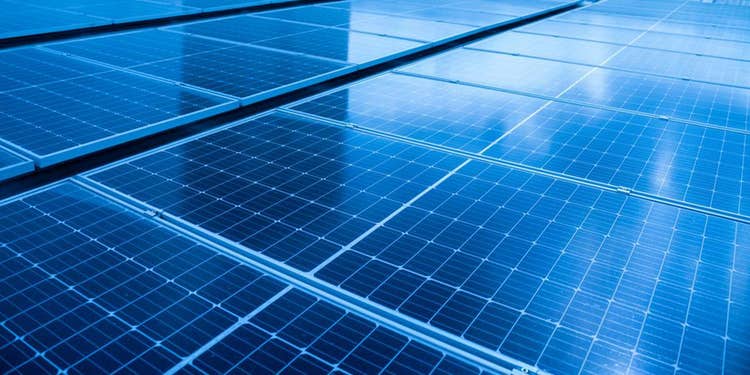
The rapid adoption of solar energy has led to an increase in solar panel installations worldwide, raising concerns about their end-of-life disposal and environmental impact. Solar panels, primarily composed of glass (76%), aluminium (8%), silicon (5%), plastic (10%) and various metals (1%), have a lifespan of 25 to 30 years. The International Renewable Energy Agency estimated there to be about 78 million metric tons of waste in the world by 2050. By 2030, it is estimated that the world will have accumulated about 8 million metric tons of PV panel waste.
As more panels reach the end of their operational life, recycling becomes essential to manage waste and recover valuable materials. Recycling techniques like thermal, mechanical, and chemical processes are employed to recover high-purity silicon, silver, copper, and other metals. Recycling not only reduces the environmental burden but also provides a sustainable supply of raw materials, contributing to the circular economy.
Recycling of solar panels currently stands only at about 10%, with the remaining 90% ending up in landfills. As of 2022, the installed capacity of solar panels globally was 100 GW. Projections indicate total installations to grow to about 1600 GW by 2030. In the coming years, as a significant portion of these panels reach the end of their lifecycle, a substantial opportunity will be presented to manufactures and businesses to explore recycling and reuse options.
In this study, we explore the current percentage of solar panels installations around the world, different recycling methods, probable value generation after recycling and how organizations benefit by working on different factors like adoption and innovation in recycling methods, modern designs for solar Photovoltaic (PV) panels, initiation of new industrial growth, employment and promote sustainable practices.